
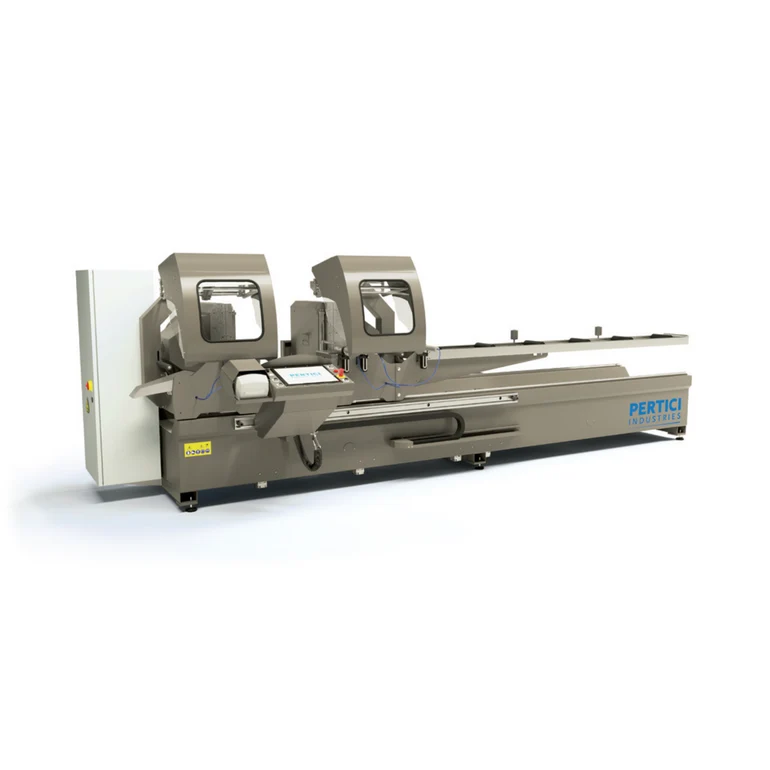
Reducing material waste is a key goal for manufacturers looking to improve efficiency and control production costs. Aluminum is lightweight, durable, and widely used, but inaccurate cutting can create unnecessary scrap. CNC machines use digital designs, precise measurements, and carefully programmed cutting paths to maximize material usage.
By improving accuracy and consistency, CNC aluminum cutting helps manufacturers produce high-quality parts while minimizing waste.
Accurate cutting paths
CNC machines follow programmed cutting paths with precise movements. The software guides the cutting tool according to the digital design, allowing operators to set exact dimensions before production starts. This precision reduces oversized cuts, uneven edges, and unwanted material removal. Each movement follows the programmed pattern, giving manufacturers greater control over every piece of aluminum.
Better material layout
Efficient material use starts with smart part placement. CNC software helps arrange several components across an aluminum sheet or plate while leaving suitable space between them. This layout reduces unused areas and allows manufacturers to produce more parts from a single piece of stock. Better nesting also lowers scrap levels during larger production runs.
Consistent production results
Manual cutting can produce small differences between individual parts. CNC equipment maintains consistent dimensions across repeated jobs. Each part follows the same programmed measurements, reducing errors that may lead to rejected components. Fewer rejected pieces mean less aluminum enters the scrap bin, helping factories use their raw material more efficiently.
Fewer cutting mistakes
Incorrect measurements can waste valuable aluminum. CNC systems use digital files and programmed dimensions to reduce common measurement errors. Operators also gain the ability to test and verify tool paths before production begins. This process helps identify possible cutting issues early, reducing the chance of damaging an entire sheet or plate.
Better tool control
Tool movement affects material consumption during aluminum cutting. CNC machines control cutting speed, depth, feed rate, and tool movement with precision. Proper settings help produce clean cuts while limiting unnecessary passes. Efficient tool movement also reduces excessive chip production and supports steady production performance.
Lower production costs
Reduced scrap directly supports lower material expenses. Manufacturers gain greater value from every aluminum sheet or block when fewer pieces become waste. Lower waste also reduces disposal work and storage of scrap material. Over time, efficient cutting helps factories control production expenses while maintaining consistent output.