
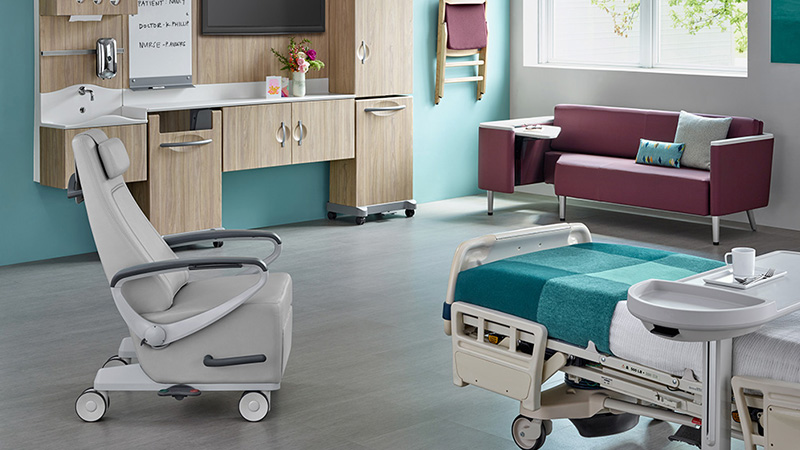
Hospitals maintain strict hygiene standards because germs can spread quickly across busy clinical areas. Staff clean rooms, sanitize surfaces, and follow infection control procedures throughout the day. Furniture also plays an important part in keeping these spaces clean and safe.
Smooth surfaces, durable finishes, and practical designs help staff remove dirt and germs with less effort. Good hospital furniture Abu Dhabi supports these daily hygiene routines and helps maintain cleaner patient areas.
Smooth surfaces reduce germ buildup
Furniture with smooth, sealed surfaces gives bacteria and other germs fewer places to hide. Staff can wipe these surfaces quickly after patient contact or spills. Tables, chairs, cabinets, bedside units, and workstations with simple designs also reduce small gaps where dust and contaminants may collect. Rounded edges also make cleaning easier. Sharp corners and complex details can trap dirt, while clean lines allow staff to reach each section of the furniture during routine sanitation.
Durable materials handle frequent cleaning
Hospital furniture faces regular cleaning with approved disinfectants. Low quality materials may crack, peel, stain, or lose their finish after repeated exposure to cleaning products. Durable materials maintain their surface quality under frequent sanitation. Manufacturers select finishes that resist moisture, chemicals, scratches, and daily wear. This helps furniture remain easier to clean across busy wards, treatment rooms, waiting areas, and staff spaces.
Easy cleaning supports daily routines
Healthcare workers work with strict cleaning schedules. Furniture design can make these tasks faster and simpler. Cabinets with accessible surfaces, chairs with fewer joints, and tables with easy to reach areas allow staff to clean each section properly. Furniture also works best when it avoids unnecessary grooves, deep seams, and decorative details. A practical design gives cleaning teams fewer problem areas during routine disinfection.
Moisture resistant surfaces protect hygiene
Water, cleaning solutions, and other liquids appear regularly in healthcare settings. Moisture resistant furniture helps prevent liquid from entering the material. This reduces the chance of swelling, surface damage, or hidden contamination. Sealed edges and protected joints also help keep moisture away from internal sections. Staff can wipe spills promptly and maintain cleaner furniture surfaces throughout the day.
Infection control starts with smart furniture choices
Furniture selection forms part of a wider infection control strategy. Healthcare facilities combine suitable furniture with hand hygiene, surface disinfection, waste management, ventilation, and proper cleaning procedures. The right furniture supports these practices by giving staff cleanable, durable, and practical surfaces. It also helps maintain organized clinical areas where staff can complete hygiene tasks efficiently.