
Traditional cutting methods have ruled workshops for generations, yet a quiet revolution now delivers cleaner edges and tighter tolerances with every pass. The old ways leave rough finishes and wasted material scattered across the floor.
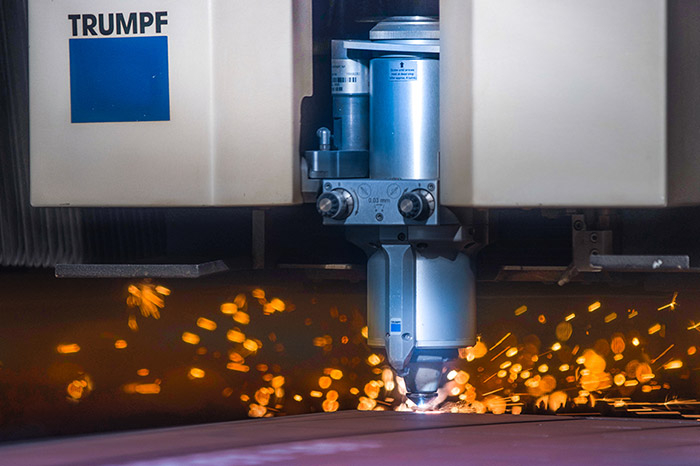
Laser cutting changes the game entirely by offering unmatched precision and speed that mechanical tools simply cannot match. This technology turns ordinary sheets into extraordinary components with minimal effort. The difference between outdated techniques and modern laser cutting Dubai becomes obvious the moment the beam fires up.
Sharper edges and cleaner finishes:
Mechanical blades tear through material and often leave burrs, jagged edges, and surface imperfections that require extra sanding or filing. Laser cutting uses a concentrated beam of light to vaporize material along its path, producing smooth edges directly from the machine. This eliminates secondary finishing operations and significantly reduces production time. Parts fit together perfectly without additional cleanup, saving valuable workshop hours. The finished product looks professional and is ready for immediate use after cutting is complete.
Unmatched precision and accuracy:
Traditional methods struggle with intricate patterns and tight corners because physical tools have limited movement and size. Laser cutting achieves positional accuracy within fractions of a millimeter, enabling complex geometries that would be impossible with saws or shears. This precision allows designers to push boundaries and create detailed components without worrying about tool deflection or wear. Each piece matches the digital design exactly, ensuring consistency across thousands of parts. The beam follows programmed paths with unwavering accuracy that mechanical systems cannot replicate.
Zero material waste:
Conventional cutting leaves significant material loss due to kerf width and the limitations of blade access. Laser cutting produces narrow cuts that maximize material usage and reduce scrap to an absolute minimum. This efficiency translates directly to cost savings on raw materials, especially with expensive metals or specialty plastics. Manufacturers can nest parts closer together, squeezing extra components from every sheet. The reduced waste also benefits the environment by lowering the overall consumption of resources.
No tool wear or replacement costs:
Mechanical cutters suffer from dull blades, broken bits, and ongoing maintenance expenses that add up over time. Laser cutting operates without physical contact, so there are no tools to sharpen or replace on a regular basis. The machine maintains consistent performance for years with proper maintenance of optics and cooling systems. This reliability eliminates unexpected downtime from broken equipment and keeps production schedules on track. Operational costs remain predictable and manageable compared to traditional methods.