
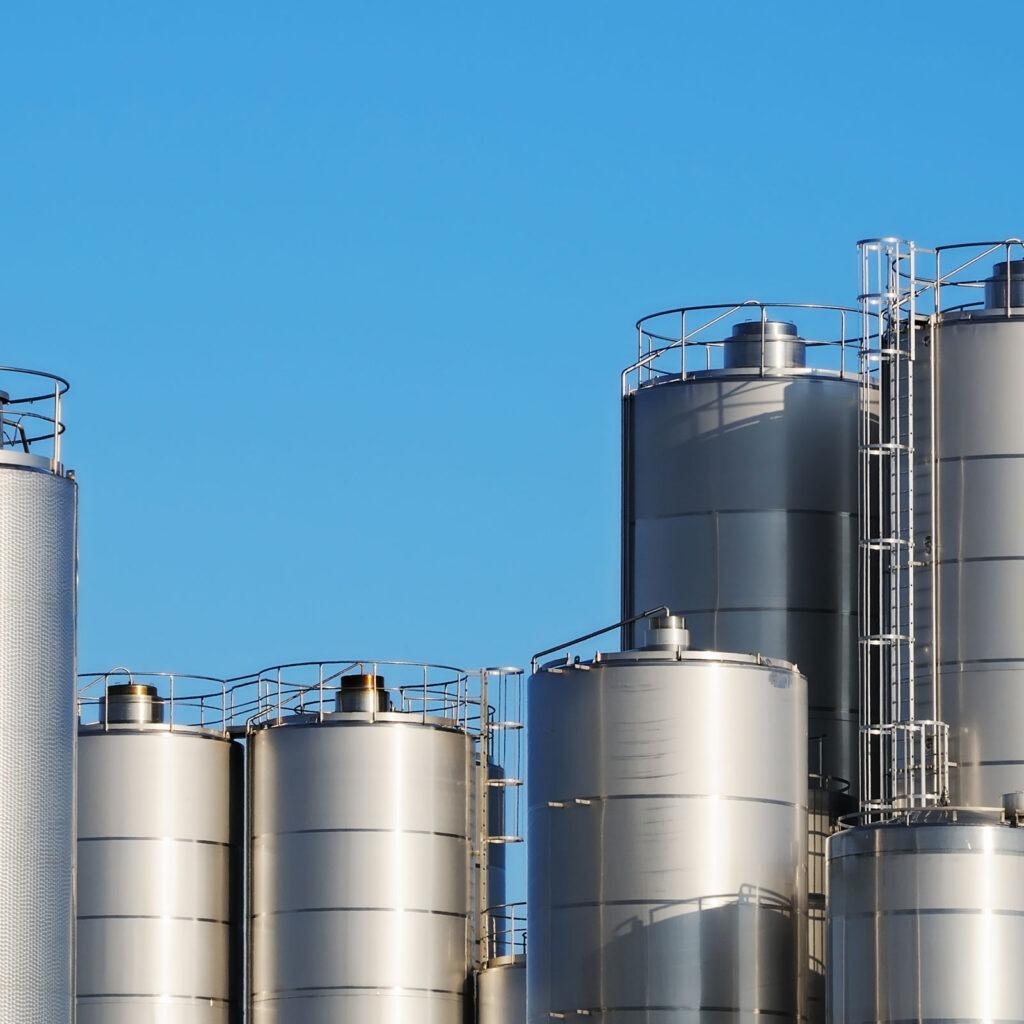
Backup generators provide dependable electricity when the main supply stops, but their engines cannot run without a steady fuel source. A dedicated storage setup keeps diesel available for operation and supports reliable runtime during outages. Proper sizing, secure installation, clean fuel, and routine checks help maintain readiness. Each dedicated diesel tank supports practical fuel management for dependable emergency power systems.
Steady fuel supply
Backup generators run only as long as they have sufficient diesel available. A dedicated tank stores enough fuel for extended operation, allowing equipment to support essential loads during prolonged outages. The tank connects to the generator through suitable fuel lines, valves, filters, and pumps. This setup keeps fuel delivery consistent during outages.
Sizing the tank correctly
Tank capacity directly influences generator runtime. Engineers assess fuel consumption, outage duration, operating load, refill schedules, and installation space before selecting tank size. An undersized tank may force frequent refilling during an emergency, while an oversized tank may occupy valuable space and raise storage concerns. Accurate sizing gives operators practical runtime without excess capacity.
Protecting fuel quality
Diesel quality affects combustion, engine performance, and reliability. Water, dirt, sediment, and microbial growth can contaminate stored fuel and cause filters or fuel systems to struggle. A dedicated tank supports organized fuel management through filtration, drainage, inspection, and cleaning practices. Operators monitor fuel and address contamination early, helping the generator run on cleaner fuel.
Supporting safe operation
Tank design includes features that support controlled fuel storage and delivery. Venting, overflow protection, leak detection, secure connections, and secondary containment help reduce hazards around the installation. Operators follow applicable fire, environmental, and electrical requirements. Proper positioning keeps the tank accessible for inspection with suitable separation from heat sources.
Simplifying maintenance
A dedicated tank gives technicians a fuel system to inspect and service. They check connections, valves, filters, gauges, supports, and tank surfaces during scheduled maintenance. Regular inspections help reveal leaks, corrosion, sediment buildup, or damaged components before they interfere with generator operation. Clear records also help teams track fuel levels, service work, cleaning dates, and findings.
Extended power failures place greater demands on backup generation. A properly selected diesel tank gives the generator a dependable reserve while operators arrange replenishment. Facilities such as hospitals, factories, data centers, offices, and commercial sites gain operating continuity when their fuel storage system matches generator capacity and expected runtime. The tank supports dependable emergency power readiness.