
A strong construction budget gives a project clear financial direction from the first estimate to the final payment. Skilled contractors track expenses, compare costs, check material prices, and review labor hours at each stage. They also set realistic targets before work starts and monitor spending as tasks move ahead. These habits help contracting companies in Qatar keep finances under control while delivering work that meets agreed standards.
Setting a realistic budget
Top contractors begin with a detailed cost estimate. They review labor, materials, equipment, permits, transport, and other project expenses. They also study current market prices before setting figures. A realistic budget gives the site team clear spending limits and helps reduce unexpected financial pressure during construction.
Tracking expenses daily
Daily expense tracking gives managers a clear picture of project spending. Teams record material purchases, worker hours, equipment use, and other costs. Managers compare these figures with the original budget and spot unusual increases early. This regular check helps teams respond before small cost issues grow into large problems.
Controlling material costs
Materials can take up a large share of a construction budget. Experienced contractors compare supplier prices, check delivery terms, and order suitable quantities. They also reduce waste by storing materials correctly and using accurate measurements. Good material control keeps spending steady and prevents avoidable losses at the site.
Managing labor efficiently
Labor costs also affect the final project figure. Site managers assign workers according to their skills and workload. They track working hours and check productivity across different tasks. Clear schedules help teams use available workers efficiently and reduce paid hours caused by delays, confusion, or repeated work.
Using technology for cost control
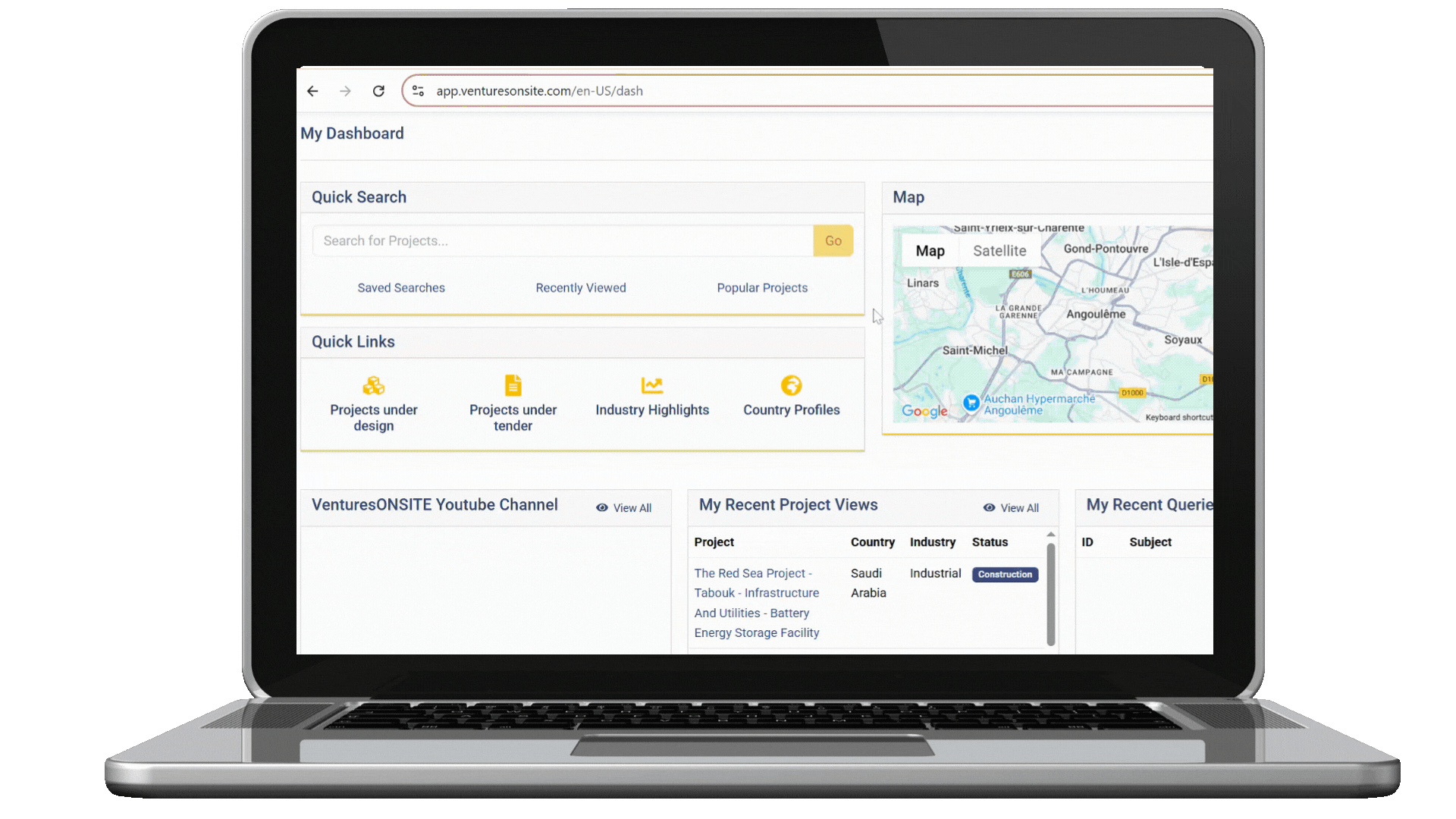
Modern construction software helps managers track budgets with greater accuracy. Digital tools record expenses, update cost reports, and show changes in project spending. Managers can review financial data without sorting through large piles of paperwork. Accurate information supports faster decisions and helps teams keep financial targets visible throughout the project.
Reviewing the budget regularly
A budget should receive regular reviews as construction progresses. Contractors compare actual expenses with estimated figures and adjust future spending when required. They also review completed tasks, upcoming purchases, and possible cost changes. Regular financial reviews give project leaders stronger control and help them protect the agreed budget.