
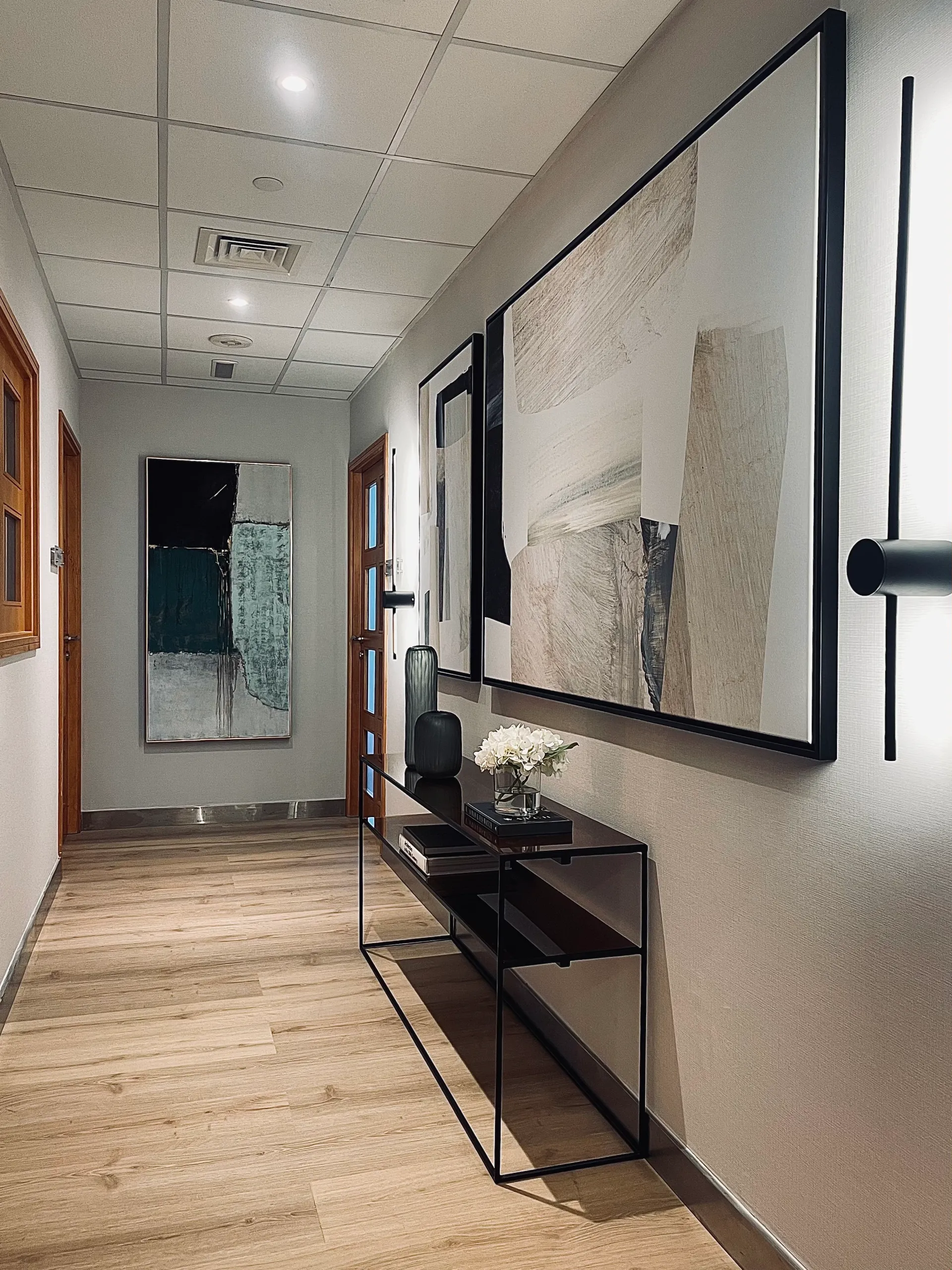
Setting a clear budget gives your interior project a strong starting point. It helps you choose suitable materials, furniture, finishes, and services without straining your finances. A clear discussion with your designer also helps you set practical goals for each room. Working with interior design consultants in Dubai gives you a clearer view of expected costs and helps you make confident choices from the beginning.
Start with your priorities
Begin the discussion by listing the spaces you want to improve. Decide which rooms deserve the largest share of your budget. You may want to focus on the living room, kitchen, bedroom, or entrance area. Share your priorities openly with your consultant. This information helps the designer suggest options that match your goals and available funds.
Share your total budget
Tell your consultant the amount you are comfortable spending. Give a realistic figure instead of choosing an amount based on rough guesses. A clear budget allows your designer to recommend suitable products, finishes, furniture, and labor costs. It also reduces the risk of choosing items that exceed your financial limit.
Separate major and minor costs
Break the budget into clear sections. Include design fees, construction work, furniture, lighting, flooring, wall finishes, fixtures, delivery, and installation. Keep a separate amount for small expenses that may appear during the project. This simple method gives you a better view of where your money goes.
Discuss material choices
Materials have a strong effect on the final cost. Speak with your consultant about different options for flooring, countertops, cabinetry, fabrics, lighting, and wall finishes. Premium materials may take a larger part of the budget, while practical alternatives can keep spending under control. Your designer can compare choices and explain the price differences.
Keep room for changes
Interior projects can include small changes as work progresses. Set aside part of your budget for unexpected repairs, replacement items, delivery changes, or design adjustments. A financial cushion gives you greater flexibility and helps you handle extra costs without disturbing the main budget.
Review the budget regularly
Keep the budget visible throughout the project. Ask your consultant for updates as purchases and work move forward. Compare planned spending with actual costs and discuss any difference early. Regular reviews help you stay informed and make timely decisions.