
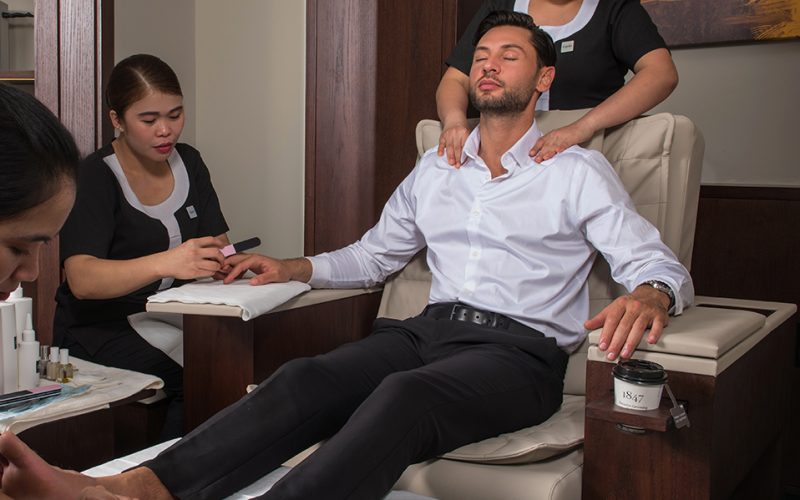
Clean tools and proper hygiene separate professional establishments from careless operations. Men deserve nail care that prioritizes health alongside aesthetic results. Used files and unclean basins carry bacteria that cause painful infections.
Professional salons follow strict protocols to protect every client who walks through their doors. Safety standards exist to prevent the spread of fungi and other contagious conditions. Visiting reputable nail salons Dubai Mall ensures adherence to these essential hygiene practices.
Tool sterilization procedures
Metal instruments touch the skin and nails during every service. Autoclave machines use high heat and pressure to kill all harmful microorganisms. Chemical disinfectants provide an additional layer of protection against contamination. Each tool receives thorough cleaning before any sterilization process begins. Single-use items like files and buffers get discarded after one client. Professional salons maintain detailed logs of their sterilization cycles.
Foot bath maintenance
Whirlpool foot basins create warm environments where bacteria thrive and multiply. Salons must drain and clean these units after each customer’s service. Disinfectant solutions circulate through the jet system to eliminate hidden pathogens. Filters get replaced regularly to prevent debris accumulation inside the machinery. Line cleaning flushes the internal plumbing where biofilm develops over time. Proper foot bath maintenance prevents the spread of serious bacterial infections.
Product safety considerations
Nail products contain chemicals that require careful handling and application. Licensed professionals understand proper usage rates and ventilation requirements. Expired products lose effectiveness and may cause adverse skin reactions. Quality salons track product expiration dates and dispose of old items promptly. Allergic reactions occur less frequently when products get applied correctly. Safe product selection protects both clients and technicians during every service.
Technician hygiene practices
Hand washing between clients stands as the most basic safety requirement. Gloves provide barrier protection during services that involve blood exposure risk. Clean uniforms and tied-back hair prevent contamination of work surfaces. Technicians with visible skin infections should not perform services on clients. Regular health screenings maintain a safe environment for everyone involved. Professional behavior includes covering coughs and sneezes appropriately.
Client screening processes
Salons should ask about existing skin conditions before beginning any service. Open wounds or rashes require medical clearance before receiving treatment. Clients with nail fungus should receive appropriate referrals to healthcare providers. Honest communication about health concerns protects both parties from complications. Pre-service consultations identify any contraindications for specific treatments. Professional salons prioritize client safety over potential revenue opportunities.